

Moles and birthmarks are common skin growths or markings that can vary in their size, shape, color, and location. Most are harmless, but changes in a mole or certain types of birthmarks may warrant evaluation by a dermatologist. Others may be treated because they are uncomfortable, difficult to monitor, or a cosmetic concern.
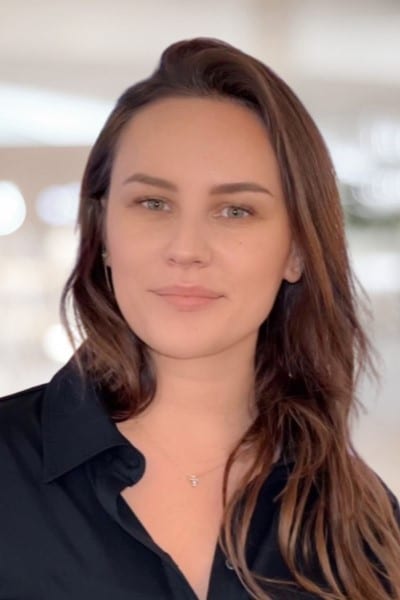
At Aventura Dermatology, board-certified dermatologist and cosmetic surgeon Dr. Bertha Baum has extensive experience in clinical dermatology, including diagnosing and treating skin conditions. Her background in general, surgical, and cosmetic dermatology allows her to evaluate moles and birthmarks from both medical and aesthetic perspectives.
A professional skin examination can help determine whether a mole or birthmark should be monitored, evaluated further with a biopsy, or treated based on its characteristics and the patient's individual needs.
Types of Moles and Birthmarks
Moles are skin growths that are often brown or black and may appear individually or in groups anywhere on the body. Birthmarks are colored or textured areas of skin that are typically present at birth or develop soon afterward.
Common types include:
- Congenital moles, which are present at birth
- Atypical moles with irregular color, shape, or borders
- Café-au-lait spots, which appear as light-brown patches
- Mongolian spots, which are typically flat and bluish
- Hemangiomas, which may appear reddish or purple
- Salmon patches, often appearing as reddish areas on the eyelids or other locations
- Port-wine stains, which are generally flat and red to purple
Most moles and birthmarks are benign. However, atypical or changing lesions may require closer evaluation.
When Should a Mole Be Examined?
Monitoring the skin can make it easier to recognize changes that should be evaluated. Sunscreen and other sun-protection measures are also important because ultraviolet exposure can contribute to skin damage and melanoma risk.
A mole should be examined if it:
- Changes rapidly in size, shape, or color
- Develops multiple or uneven colors
- Has irregular or poorly defined borders
- Itches, bleeds, or develops other new symptoms
- Measures more than approximately 6 millimeters
- Is located somewhere that is difficult to monitor, such as the scalp
A personal or family history of melanoma may also influence how closely certain moles should be followed.
How Are Moles and Birthmarks Diagnosed?
Evaluation begins with a careful skin examination. Dr. Bertha Baum can assess the appearance, location, size, borders, coloring, and other characteristics of a mole or birthmark to determine whether monitoring or further evaluation is appropriate.
When a mole appears atypical or suspicious, a biopsy may be recommended. Depending on the lesion, the entire mole may be removed, or a smaller tissue sample may be collected for laboratory examination.
Certain congenital moles and birthmarks can also warrant additional monitoring based on their size, appearance, or associated medical findings.
What Treatment Options Are Available?
Treatment depends on whether the mole or birthmark is benign, medically concerning, or being addressed for cosmetic reasons. Skin type, age, location, depth, size, and color can also affect the treatment recommendation.
Options for appropriate benign lesions may include:
- Laser or pulsed-light treatment
- Microdermabrasion in select circumstances
- Surgical removal
If a biopsy identifies melanoma or another form of skin cancer, additional removal may be required to obtain an appropriate margin of surrounding tissue. More advanced melanoma may require coordinated treatment beyond dermatologic surgery, depending on the stage and individual diagnosis.
Surgical removal generally produces some degree of scarring. The expected scar depends on factors such as the lesion's size, depth, location, and removal technique, and these considerations can be discussed before treatment.
Risk Factors for Melanoma
Certain characteristics and exposures may increase melanoma risk. Factors associated with a higher melanoma risk include fair skin, excessive sun or UV exposure, a history of sunburns, multiple or atypical moles, a family history of melanoma, and a weakened immune system.
Having a risk factor does not mean melanoma will develop. Regular skin examinations and attention to new or changing lesions can help identify areas that require further evaluation.
Frequently Asked Questions
Can a Mole Grow Back After Removal?
A mole may occasionally grow back if some mole cells remain after removal. If pigment or a new growth appears at the treatment site, a dermatologist can examine the area and determine whether additional evaluation is needed.
Can Moles or Birthmarks Be Removed for Cosmetic Reasons?
Yes. Some benign moles and birthmarks may be treated for cosmetic reasons when medically appropriate. The best approach depends on the lesion's type, size, location, and how removal may affect the surrounding skin.
Can Moles Develop Later in Life?
Yes. New moles can develop during childhood, adolescence, and adulthood. Because a new or changing spot may require closer evaluation, bring unfamiliar growths to a dermatologist's attention.
Why Choose Dr. Bertha Baum for Mole and Birthmark Treatment?
Dr. Bertha Baum is a Florida-based, board-certified dermatologist and cosmetic surgeon with training spanning medical, surgical, and cosmetic dermatology. She earned her medical degree from Nova Southeastern University College of Osteopathic Medicine. She completed her dermatology residency at NSU COM Larkin Community Hospital, where she served as chief resident during her final year.
Her experience with skin conditions and advanced aesthetic treatments allows her to consider both medical safety and cosmetic concerns when evaluating moles and birthmarks. Dr. Bertha Baum is also a member of the American Academy of Dermatology, the American Society for Dermatologic Surgery, and the American Society for Laser Medicine and Surgery. She provides personalized evaluation for patients of different ages and skin types.
Schedule Mole and Birthmark Treatment in Aventura, FL
A mole or birthmark that changes, causes symptoms, is difficult to monitor, or creates a cosmetic concern deserves an individualized evaluation. Dr. Bertha Baum can determine whether monitoring, biopsy, removal, or another treatment approach may be appropriate.
Contact the Aventura, FL practice at 754-544-9030 to schedule a consultation and receive personalized recommendations for your skin.