

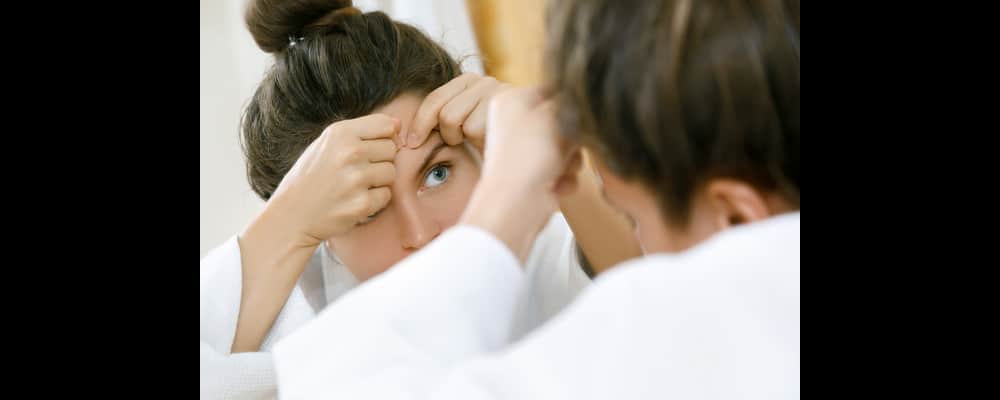
Hormonal changes can affect oil production, clogged pores, and the frequency of acne breakouts, especially when blemishes repeatedly develop along the chin or jawline.
At Aventura Dermatology, Dr. Bertha Baum is a Florida-based board-certified dermatologist and cosmetic surgeon with experience in general, cosmetic, surgical, and pediatric dermatology. Dr. Bertha Baum is a member of the American Academy of Dermatology and the American Society for Dermatologic Surgery, and her dermatologic research has appeared in respected journals and books.
Recognizing how hormones interact with the skin can help patients move beyond temporary fixes and explore hormone management strategies tailored to the causes and severity of their hormonal acne.
How Hormones Affect Oil Production
Androgens are hormones that can stimulate the skin’s sebaceous glands. When these glands become more active, they produce additional sebum, the natural oil that helps protect the skin from dryness. Excess sebum can combine with dead skin cells inside pores, contributing to blackheads, whiteheads, and inflamed blemishes.
Hormone levels and the skin’s response to them may change during:
- Puberty
- Menstrual cycles
- Pregnancy
- Perimenopause or menopause
- Changes in hormonal medications
- Periods of prolonged stress
These changes do not affect every patient in the same way, which is why professional evaluation is valuable.
What Hormonal Acne Can Look Like
Hormonal acne commonly appears around the chin, jawline, lower cheeks, or neck. Breakouts may be deep, tender, or difficult to clear with over-the-counter products alone. Some patients notice that blemishes return at predictable times, while others experience ongoing acne without an obvious pattern.
Acne is influenced by more than hormones. Clogged pores, inflammation, skin care products, genetics, and certain medications can also contribute. A dermatologist can identify the likely causes rather than assuming every persistent breakout is hormonal.
How Hormone Management May Support Clearer Skin
Hormone management for acne does not necessarily mean changing natural hormone levels. Depending on the patient, treatment may involve prescription therapies that reduce hormonal effects on the oil glands, along with topical medications that address clogged pores, bacteria, or inflammation.
The appropriate approach depends on medical history, acne severity, pregnancy plans, current medications, and other individual factors. Hormonal therapies are not suitable for everyone and require professional supervision.
Find Personalized Care for Hormonal Acne in Aventura, FL
Recurring breakouts can affect comfort and confidence, and increase the risk of lasting marks. Aventura Dermatology provides individualized evaluations to determine whether hormones, excess oil, or other factors are contributing to acne.
Schedule a consultation with Dr. Bertha Baum by calling 754-544-9030 to explore an appropriate skin care and treatment plan.